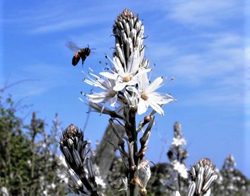
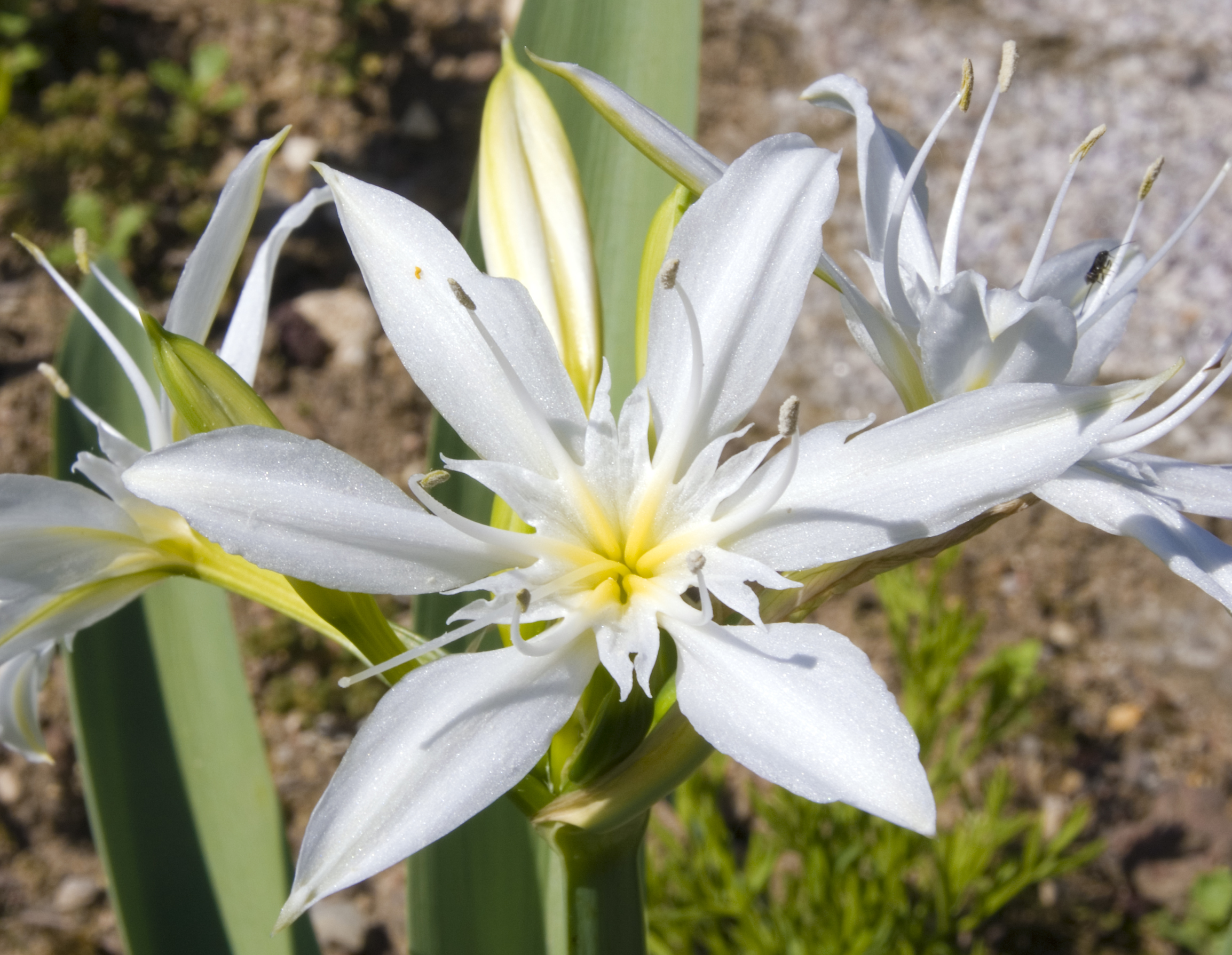
The Asphodel
"Sacred, restorative, beloved of the dead,
the asphodel became a symbol of Corsica."
These words were written by Dorothy Carrington,
the famous English historian.
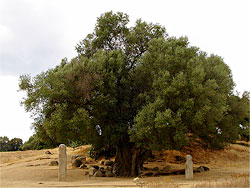
read more »The Olive-tree
The olive-tree is endemic in the Corsican maquis.
They are very old time-honoured trees. Some of them are more than 2000 years old, with a height up to 20 meters, often growing on poor soil.
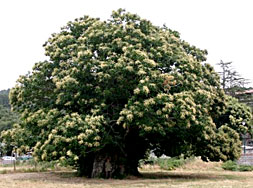
read more »The Chestnut-tree
This majestic tree attains a height of
about 20 meters and his vigorous trunk
with a silvery grey bark, full of little bursts,
surpasses often 2 meters in diameter.
read more »
|
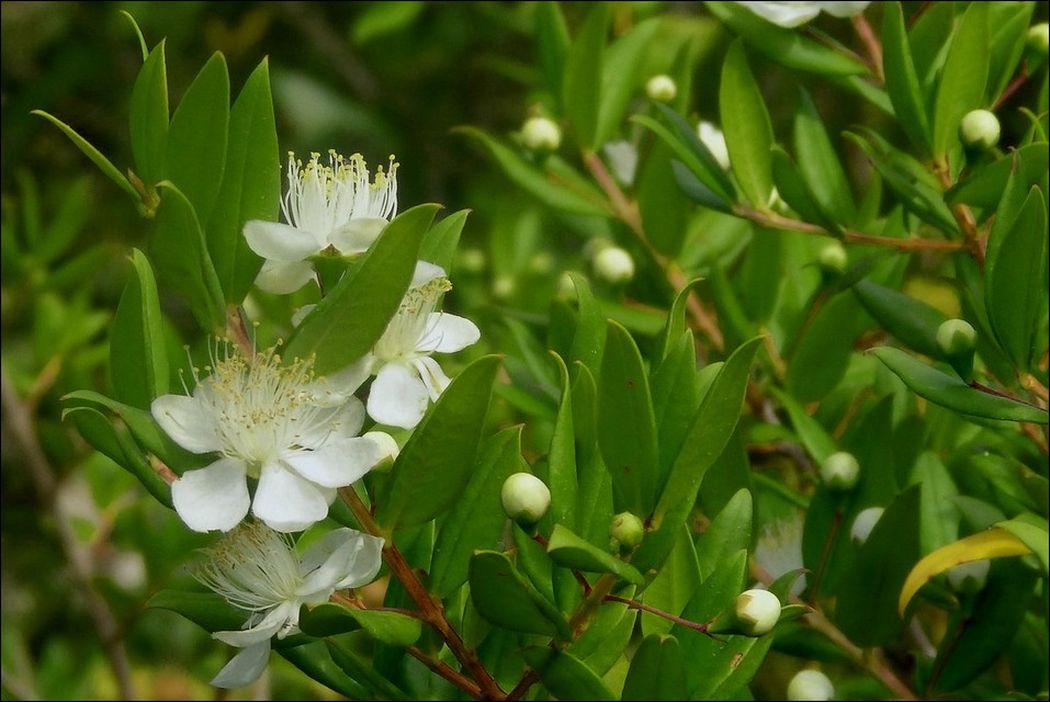
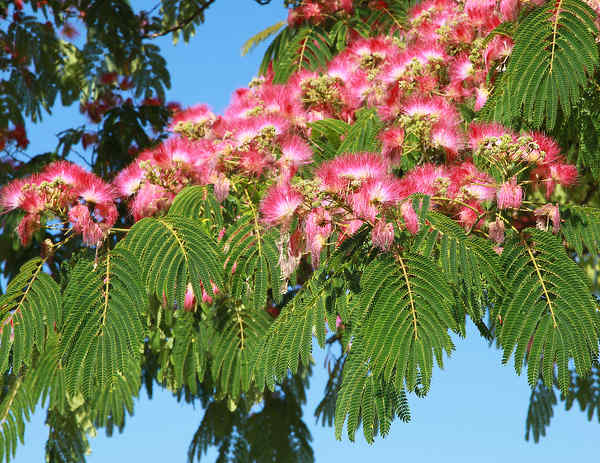
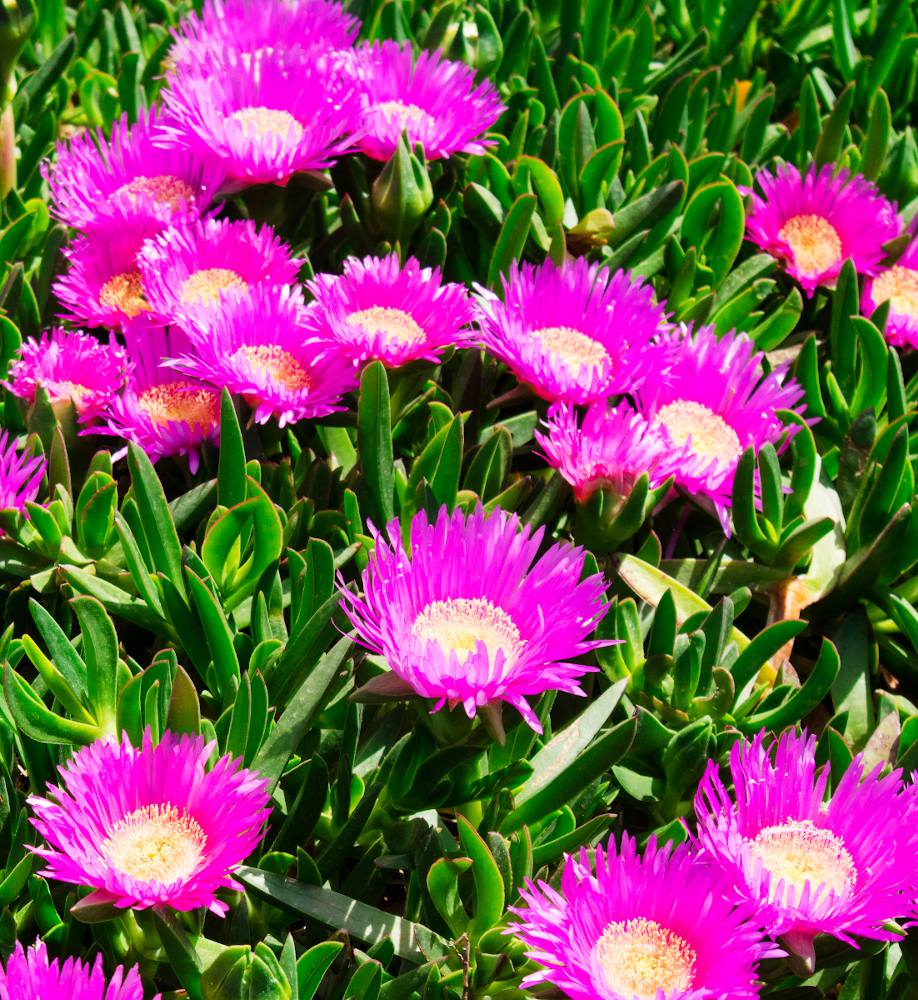
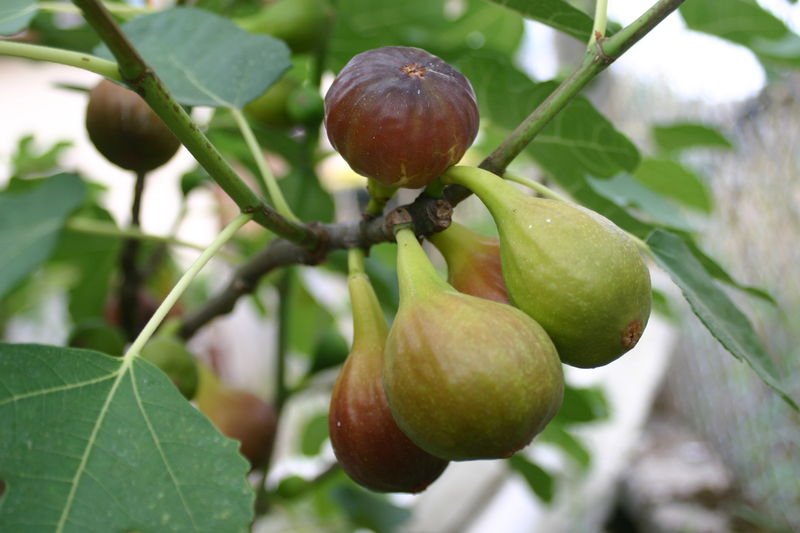
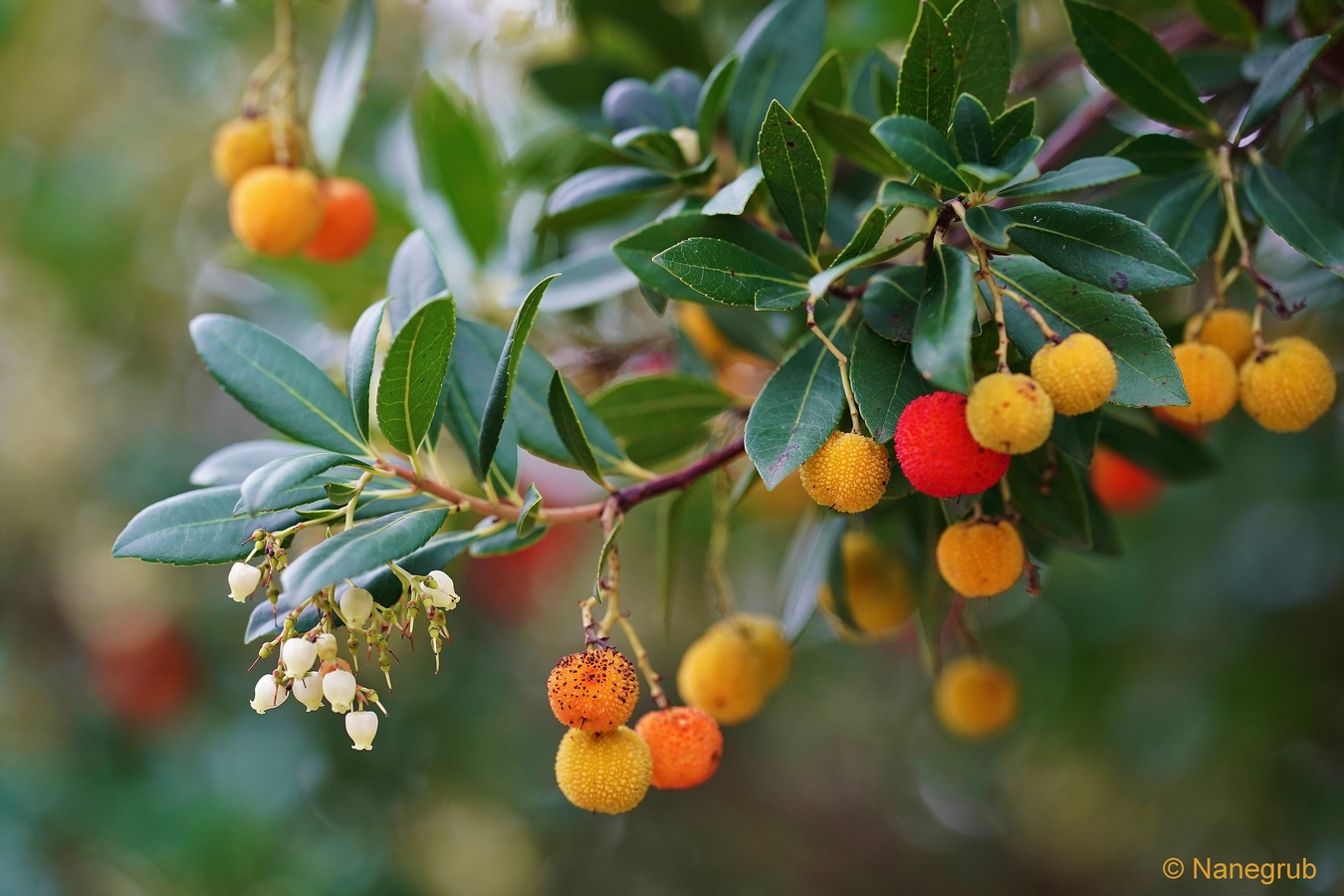
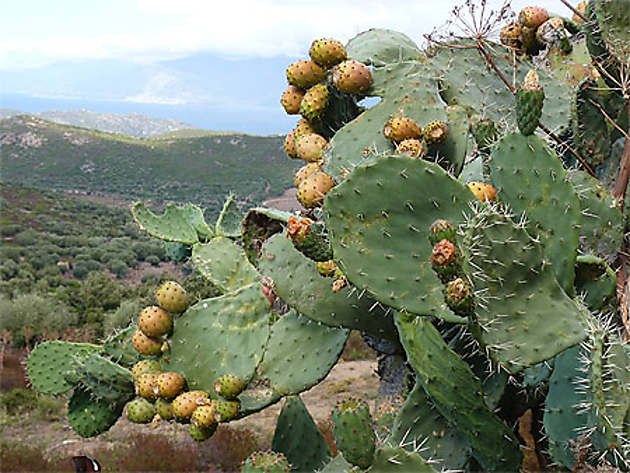
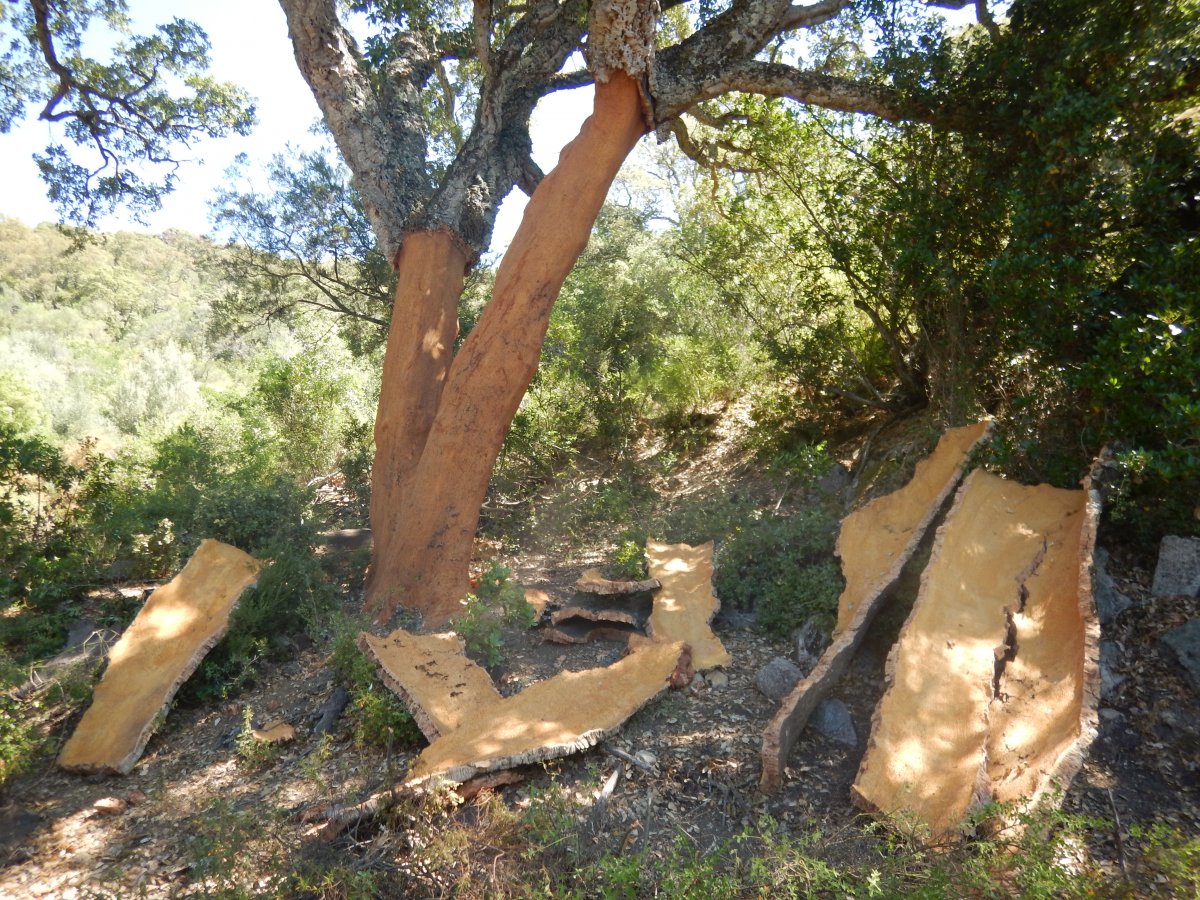
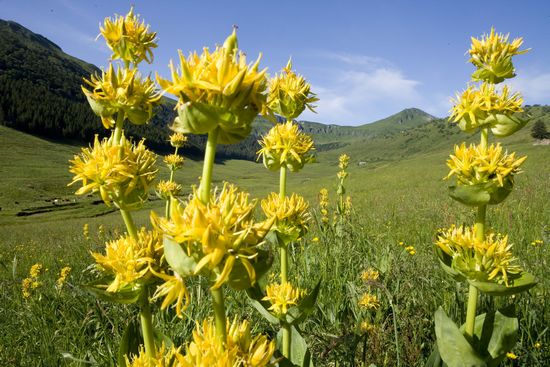
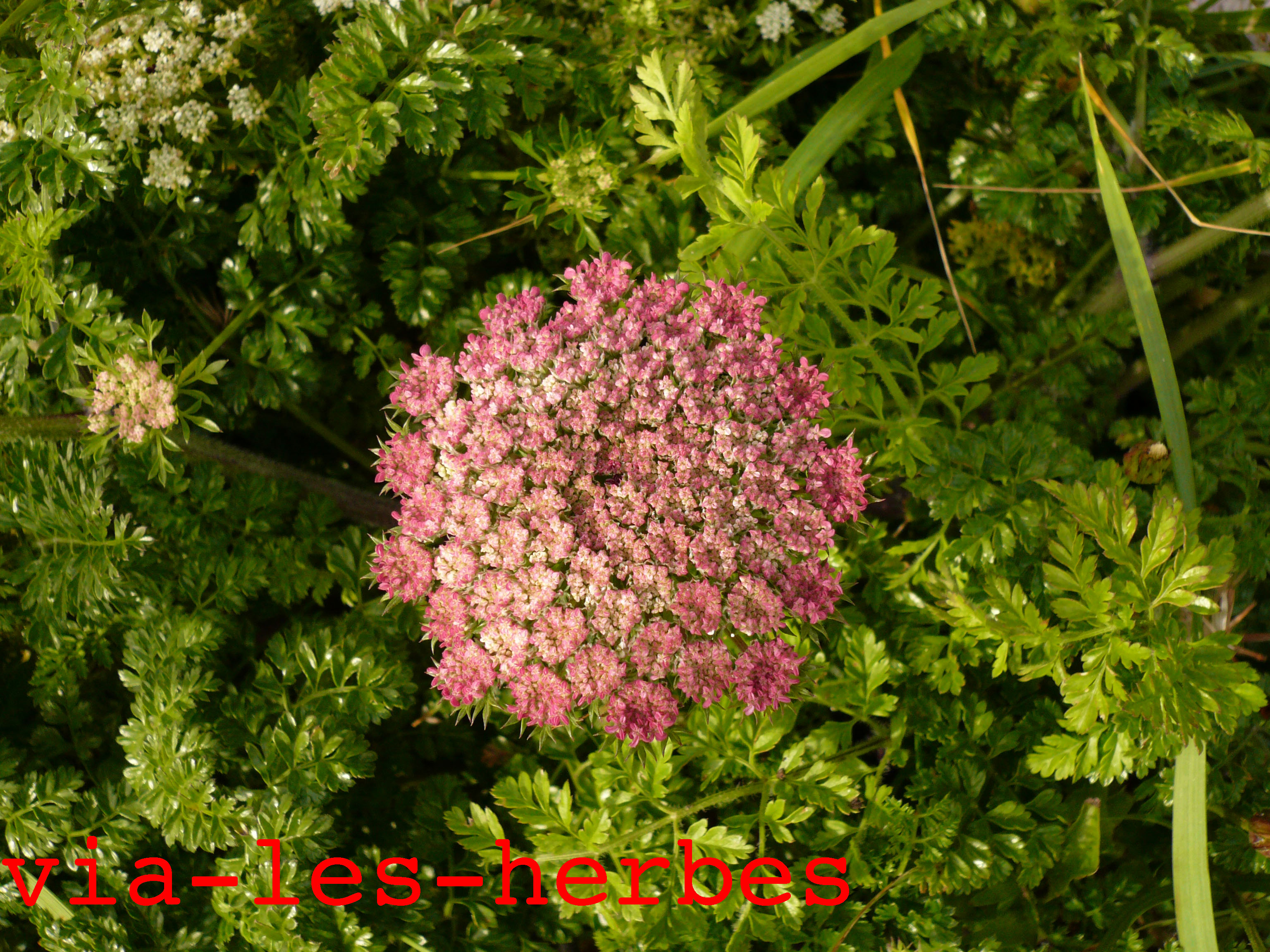
Fragrant maquis plants from Corsica, unique to the Mediterranean region, which have remained unchanged in their native wilderness for centuries. The maquis, a special wild-scrub area of Corsica, covers more than half the island's surface area. Beginning at the sea and continuing up towards the mountains, it is divided into three distinct stages: le maquis bas (low), moyen (middle) and haut (high). The maquis bas begins at the coast. Intensely exposed to the elements, it offers an incredible variety of low growing, aromatic plants. Each plant has a unique aroma, the blend of these wild scents creating a living potpourri that is Corsica! Once experienced, like the island itself, it is never forgotten. While used in recent years for perfumes, bio cosmetics, pharmaceuticals and medical research, the plants of the maquis are deeply ingrained in Corsica's folklore as a source of food, medicine and cultural identity. The alluring fragrance is released from the plant's leaves, ensuring a long season of scent. While relatively dormant in winter, production of aromatic oils increases with spring's warming weather. The plants are so fine tuned, their fragrance levels can vary throughout the day, based on surrounding soil and air temperatures. As one encounters these enticing scents floating over the Corsican countryside, breathe deeply to connect with the island's essence.It's a scent like none other. Of all the French departments Corsica is the one with the best environment. The absence of heavy industry makes it possible to keep air and water clean. Corsica is also the region which invests the most in the environment: the fauna is protected, various trees and plants are protected and a large part of Corsica is National Park. The vegetation of the island is affected not only by the climate but also by altitude and situation. Three quarters of its area is covered by forests or by maquis; only 15 percent is cultivated. Vast expanses of trees and shrubs, covering hills and valleys as far as the eye can see. The evergreen undergrowth characterises the landscape, the vegetatation is luxuriant and impenetrable. The macchia consists of a dense undergrowth up to three meters high, it is at its most magnificant in spring. Across the hillsides and valleys their blossoms extend in a sea of colours.The aromatic scent of flowers and herbs is intoxicating. The Corsican flora counts 2000 different species of which 78 are endemic. Also very remarkable are the 40 species of orchids. When in february the heather comes into bloom, the green macchia suddenly turns into a sea of white. From mid-april untill mid-june the macchia is a feast of colour and fragrance. There are narcissi, violets, passionflower, orchids, marguerites and mimosa. Then there are the bougainvillea and the oleander, the lilac thyme, the white and pink ciste. Wild lavender colours the landscape light blue, followed by the white myrtle flowers. Rosemary, marjoram and various types of mint grow wild. July and august gives us the agave with its yellow flowers pointing to the sky. Even the winter remains colourful with the red tints of the aloe flowers. When in the dry, hot summer the macchia catches fire, tragedy strikes and large areas are completely destroyed! It is therefore of great importance to preserve this unique Corsican scrubland by giving it the protection it deserves. |





.JPG)




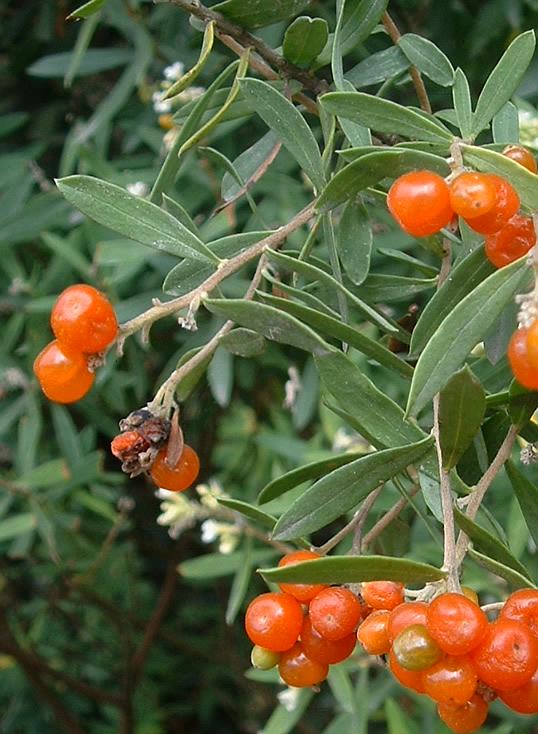
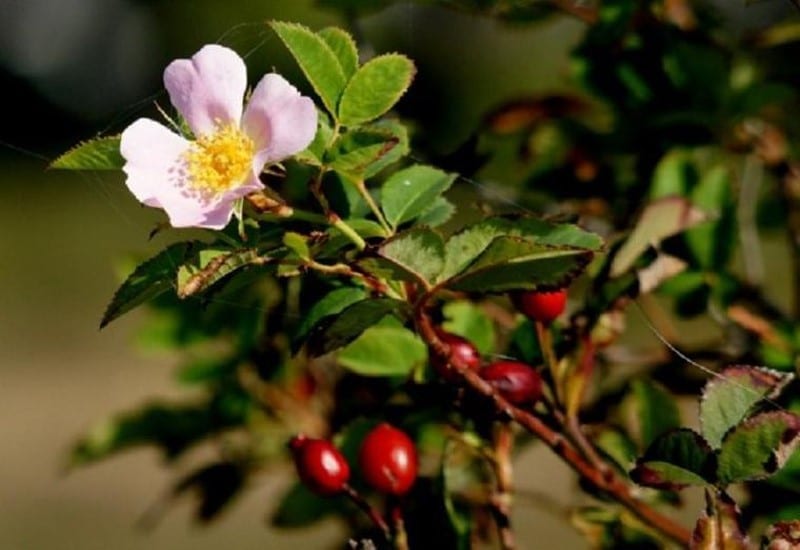

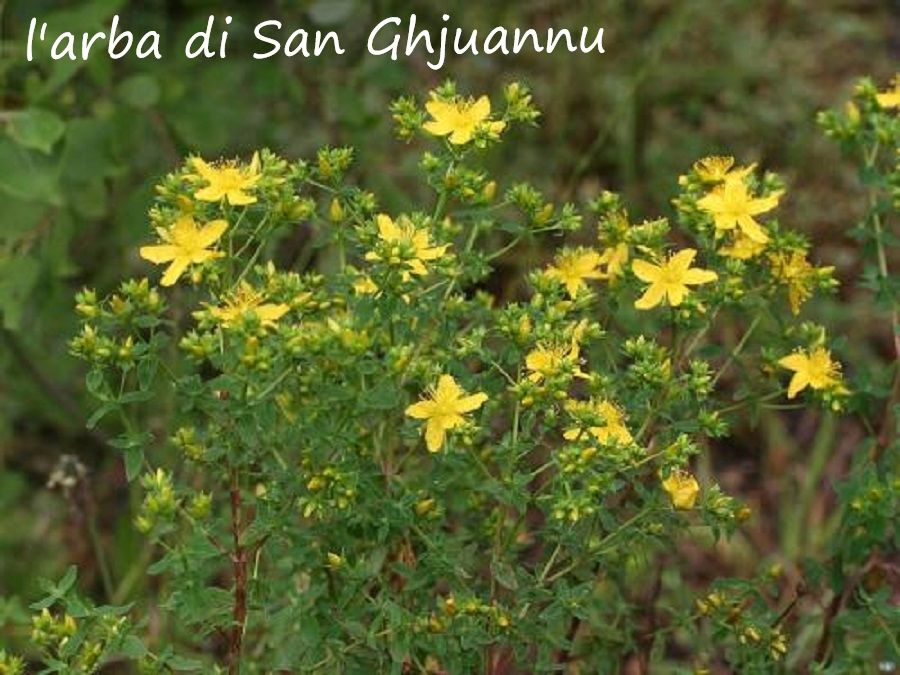

|
Endemic species to be discovered Many wild flowers can be observed when walking in Corsica. They border paths, flower dunes, brighten prairies or grow in the
undergrowth away from the light.
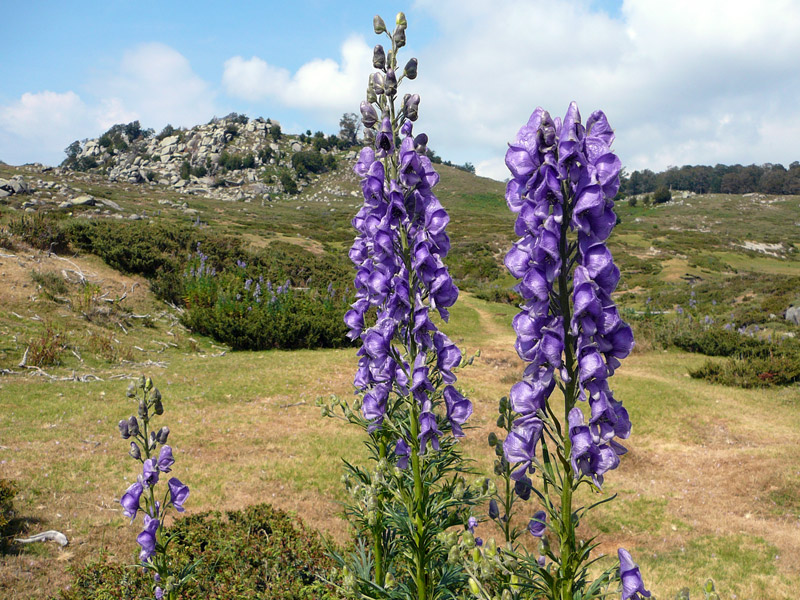
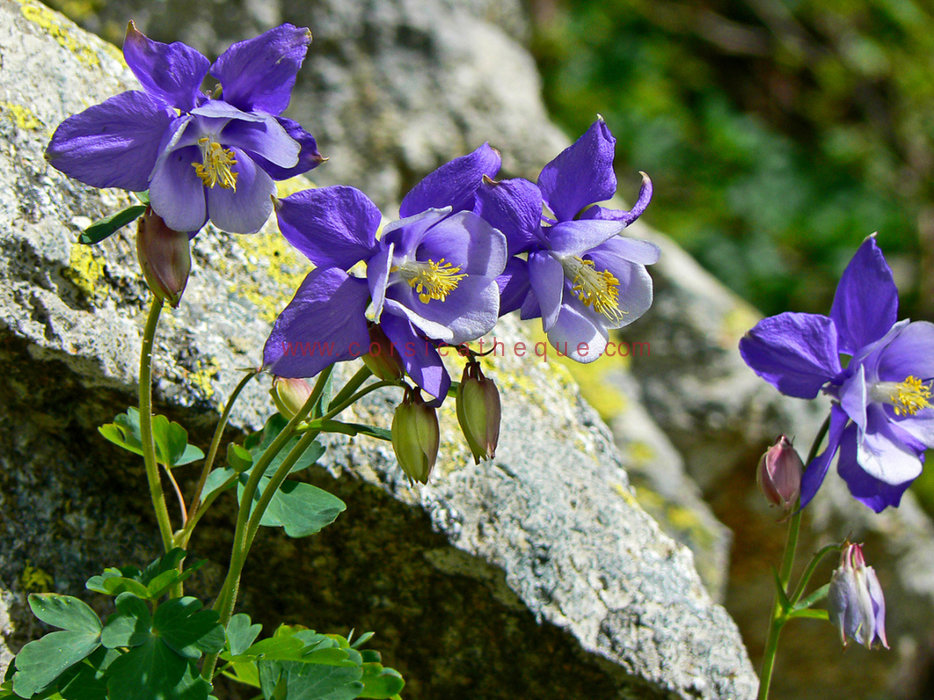
Some species of flower have developed in a manner specific to the island, thus creating endemic varieties that can't be found anywhere else: crocus (crocus corsicus, Corsican saffron), orchids (Conrad's orchid, serapias nurrica...), colchicum, violet, romulea, aconite, garlic, aquilegia, daisy, cyclamen, carnation, digitalis, everlasting, hypericum, forget-me-not, mint, nepita, ranunculus, and pinguicula corsica, a small, endemic, carnivorous plant with beautiful purple flowers that can be found in the "pozzines". |
| top | home |